
Blogs
Why Kids Love Magical Adventure Stories

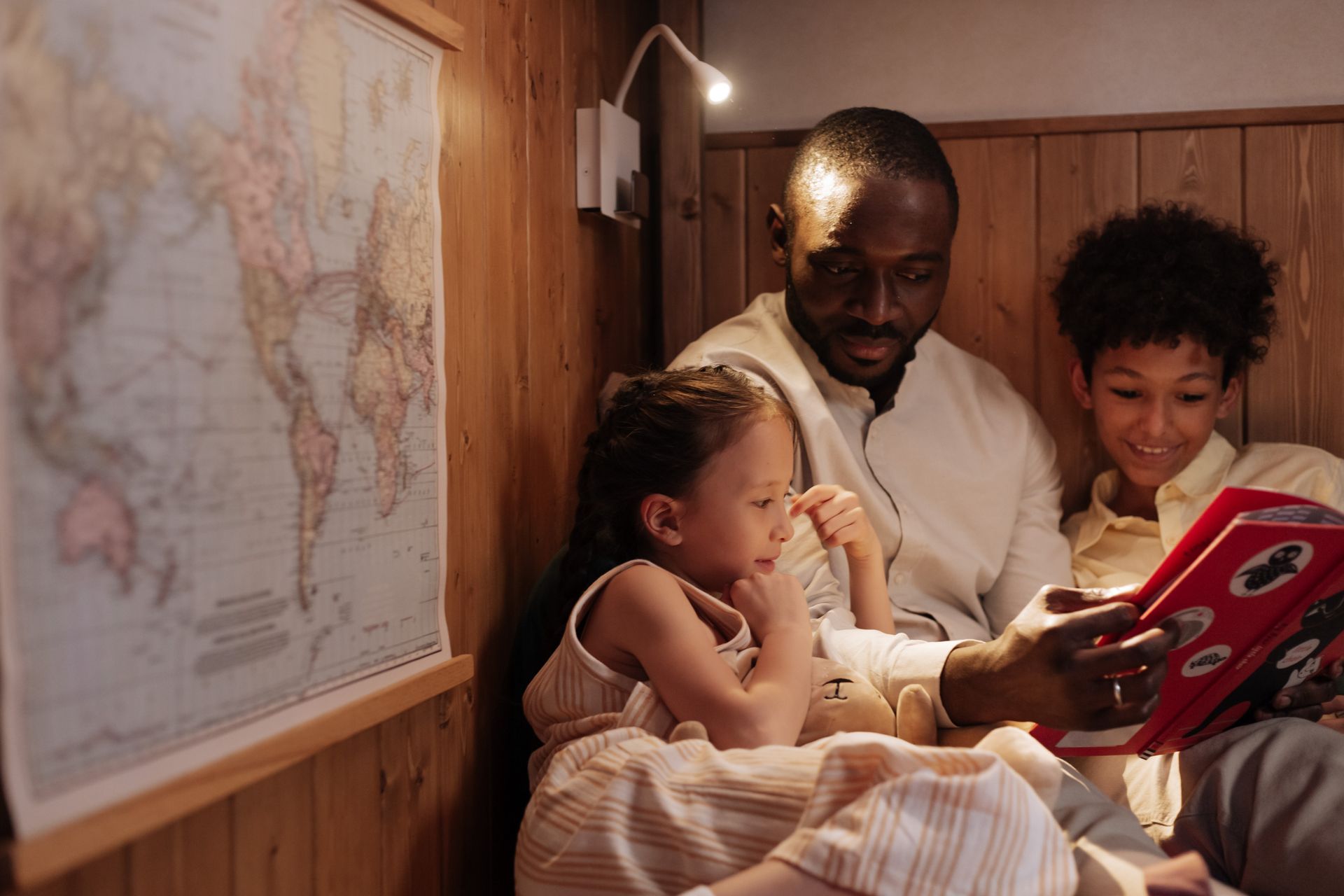
Magical adventures offer children something ordinary life cannot: the possibility that anything might be waiting around the next corner. Hidden worlds, mysterious objects, daring journeys, and unusual creatures create excitement while still allowing young readers to connect with familiar emotions. This helps explain why kids love magical adventure stories across generations.
A magical adventure might begin with an ordinary child discovering a secret passage, finding an unusual object, or meeting a creature nobody else believes exists. Suddenly, familiar surroundings become places of mystery and possibility. Children can follow the characters into unfamiliar worlds while experiencing excitement, suspense, friendship, and personal growth.
These stories are appealing because they combine imagination with a clear purpose. Readers want to discover what happens next, understand the mysteries behind the magic, and see how the main characters respond to unexpected challenges. Along the way, they encounter situations that reflect their own feelings, relationships, and questions about the world.
Magic Makes the World Feel Bigger
Magical stories suggest that ordinary places may contain extraordinary possibilities. A wardrobe might hide another world, a garden could hold secrets, or a small object might possess unexpected power. This sense of possibility connects with children’s natural curiosity and their enjoyment of exploring new ideas.
Unlike realistic stories, fantasy adventures are not limited to what readers already know to be possible. Writers can create floating islands, enchanted forests, invisible kingdoms, and unusual rules that transform familiar experiences into something surprising.
Ordinary Places Can Become Extraordinary
One reason children enjoy magical adventures is that these stories change how they imagine familiar surroundings. A quiet attic might become the entrance to a hidden kingdom, while an old book could reveal a message from a distant world.
This transformation encourages readers to look beyond the obvious. They begin to imagine what might exist behind a closed door or what secrets a mysterious object could hold. The story turns everyday curiosity into an exciting journey of discovery.
For children, this imaginative freedom can make reading feel interactive. They are not simply receiving information about a fictional world; they are mentally exploring it, predicting what might happen, and forming their own pictures of the places and characters.
Magic Creates Endless Possibilities
Magic allows writers to introduce unusual problems and unexpected solutions. A character might need to solve a riddle to open an enchanted gate, learn the rules of a mysterious spell, or discover why a magical creature has lost its abilities.
These situations keep readers wondering what could happen next. Because the possibilities are not limited to ordinary experiences, each new discovery can change the direction of the adventure.
However, the most engaging magical worlds still need consistency. When readers understand how the magic works, they can follow the challenges and consider possible solutions alongside the characters. The wonder becomes more satisfying when the story gives readers enough information to understand its mysteries.
Adventure Creates Momentum
Young readers often enjoy stories that give them a reason to keep turning pages. A journey, mystery, rescue, competition, or quest creates forward movement. Each obstacle raises a new question: What happens next? Will the characters succeed? What might they discover along the way?
This sense of progress makes magical adventure stories engaging. Readers follow the characters from one challenge to another, discovering new places and information as the plot develops.
Quests Give Characters a Clear Goal
Many magical adventures begin with a problem that needs to be solved. A character may have to find a missing object, rescue a friend, break an enchantment, or return home after becoming lost in an unfamiliar world.
A clear goal helps readers understand why the journey matters. Even when the setting is complicated or filled with magical details, the main objective gives the story direction.
The goal also encourages readers to become emotionally involved. They want the hero to succeed because they understand what is at stake and care about the outcome.
Unexpected Obstacles Keep Readers Curious
An adventure would become predictable if everything went according to plan. Interesting stories introduce complications that force characters to reconsider their choices. A helpful guide might disappear, a map might lead to an unexpected location, or a creature that seemed dangerous might turn out to be an important ally.
These obstacles create suspense without requiring every scene to be frightening. A funny misunderstanding or surprising discovery can be just as effective as a major conflict.
When challenges become gradually more complicated, readers have opportunities to make predictions and compare their ideas with what actually happens. This active involvement helps sustain interest throughout the story.
Children Relate to Heroes Who Are Still Learning
Many magical adventures feature young characters who do not have everything figured out. They make mistakes, feel nervous, ask questions, and sometimes need help from others. Readers can identify with these experiences even when the setting is completely fantastical.
A relatable hero does not need to be perfect. In fact, characters often become more interesting when they have weaknesses or misunderstand situations. Their struggles make their achievements feel earned.
Imperfect Characters Feel More Real
A young hero might be impatient, afraid of disappointing others, or reluctant to trust a new companion. These qualities create believable challenges within an extraordinary setting.
Readers may recognise similar feelings in themselves. They might understand what it is like to feel nervous about a difficult task, make a poor decision, or struggle to admit a mistake.
When a character learns from these experiences, the adventure becomes more than a sequence of exciting events. It becomes a story about growing, adapting, and discovering new strengths.
Character Growth Makes the Ending Satisfying
At the beginning of an adventure, the main character might believe that success depends entirely on being powerful, clever, or independent. By the end, the hero may discover the importance of cooperation, patience, honesty, or asking for help.
This development gives the story emotional meaning. Readers can see how the journey changes the character and why the final outcome matters.
The most satisfying endings do not necessarily require the hero to become perfect. Instead, they show that the character understands something important that was missing at the beginning.
Magical Creatures Add Wonder and Humour
Dragons, fairies, talking animals, giants, and invented creatures introduce surprise into magical adventures. Some are frightening, some are funny, and others become unexpected friends. Their unusual appearances and personalities create opportunities for humour, conflict, and emotional connection.
Children may be fascinated by how these creatures look, behave, communicate, and interact with the world around them. A tiny creature with enormous confidence or a powerful dragon with an unexpected fear can create memorable scenes.
Strange Creatures Make Stories Unpredictable
A magical creature can change the direction of a story simply by behaving in an unexpected way. A dragon might refuse to fight, a talking fox might know a secret route, or a giant might be more interested in gardening than frightening travellers.
These surprises challenge readers’ expectations and make fictional worlds feel full of possibilities. They also give writers opportunities to explore personality, trust, and differences without relying only on human characters.
For readers who enjoy dragon stories in particular, these creatures can represent mystery, danger, wisdom, humour, or friendship depending on how the writer develops them.
Humour Balances Suspense
Magical adventures can include dangerous situations and difficult decisions, but humour gives readers a chance to relax. A clumsy spell, a confused talking animal, or a character who misunderstands an unusual custom can make a tense scene more enjoyable.
Humour also helps characters feel approachable. Even a brave hero can make silly mistakes, and a powerful magical creature can have an amusing weakness.
A balance between suspense and lighthearted moments makes an adventure more varied. Readers can feel excited about the outcome without experiencing constant tension.
Mystery Encourages Children to Keep Reading
Mystery is another important reason children enjoy magical adventure stories. A hidden message, locked room, strange disappearance, or unexplained event gives readers something to investigate alongside the characters.
Instead of explaining everything immediately, the writer gradually reveals information. Each discovery helps readers understand the situation while introducing new questions.
Clues Invite Readers to Make Predictions
When a story includes clues, readers can try to work out what is happening before the characters do. They might notice a repeated symbol, remember something a character said earlier, or question whether a mysterious figure is telling the truth.
This process makes reading feel like solving a puzzle. Children can develop their own theories and feel rewarded when the story confirms their predictions.
A well-developed mystery provides enough clues to make the eventual explanation understandable without revealing everything too soon.
Surprises Make Discoveries Memorable
A good twist changes how readers understand an earlier event. A character who appeared unhelpful might have been protecting a secret, or an ordinary object might turn out to be essential to the quest.
These discoveries can make readers reconsider details they previously overlooked. They also encourage curiosity about how different parts of the story connect.
Surprises work best when they fit the story’s internal logic. An unexpected development should feel exciting, but it should also make sense when readers look back at the clues.
Friendship Makes Magical Adventures More Meaningful
Although magical adventures often feature extraordinary places and creatures, relationships give readers reasons to care about what happens. A hero may begin a journey alone but gradually form friendships with characters who offer different skills, perspectives, and kinds of support.
These relationships can make the adventure more emotionally engaging because the characters are no longer concerned only with completing a mission. They also want to protect one another, earn trust, and preserve the friendships they have developed.
Teamwork Helps Characters Overcome Challenges
One character might understand magical creatures, another might solve puzzles, and another might remain calm during a difficult situation. Their different strengths allow the group to solve problems that would be harder to manage alone.
This shows readers that cooperation can be more effective than trying to do everything independently. It also demonstrates that each person can contribute something valuable, even if their abilities are not immediately obvious.
Teamwork becomes especially meaningful when characters disagree or make mistakes. They must listen, communicate, and find a way to move forward together.
Loyalty and Kindness Create Emotional Connections
A character who stays beside a friend during a difficult moment can make a stronger impression than a character who simply wins every challenge. Small actions, such as sharing supplies, offering encouragement, or admitting a mistake, show how trust develops.
These moments help balance the larger magical events. A dramatic quest might provide excitement, but a sincere friendship can give readers a reason to remember the story long after they finish it.
Magical Adventure Stories Encourage Imagination
Reading fantasy requires children to imagine places, creatures, and events that may have no real-world equivalent. They picture the shape of a magical castle, the sound of an enchanted forest, or the appearance of a creature described by the author.
This imaginative participation makes reading a creative experience. Each reader may picture the same setting differently, using the words on the page to build a personal version of the fictional world.
Children Create Pictures in Their Minds
Descriptions of unusual landscapes and magical objects invite readers to visualise details. A writer might describe a river that glows at night or a tower hidden among the clouds without explaining every part of its appearance.
Children can fill in these gaps with their own ideas. They might imagine colours, shapes, sounds, and movements that are not directly mentioned in the text.
This freedom can make the story feel personal. The imagined world belongs partly to the reader because the reader has helped bring it to life.
Imagination Supports Creative Thinking
Fantasy stories frequently introduce unusual problems that require characters to think beyond familiar solutions. A hero might need to communicate with an animal, interpret a strange pattern, or use an ordinary object in an unexpected way.
Readers can consider possible answers as they follow the plot. They may wonder what they would do in the same situation or invent alternative ways for the characters to succeed.
Although fantasy reading does not guarantee a particular developmental outcome, it can provide enjoyable opportunities to explore possibilities, form predictions, and think creatively.
Emotional Challenges Help Readers Connect With the Story
Magical adventures are exciting partly because the characters experience emotions that young readers recognise. Fear, happiness, disappointment, loneliness, pride, and relief can all appear during a journey through an imaginary world.
These feelings help connect the fantastical setting to real experiences. A character might be frightened by a monster, but the deeper emotion could be uncertainty about facing something unfamiliar.
Stories Show Different Responses to Fear
A character may run away from a challenge, ask a friend for support, or take time to understand what is happening. Different responses show that people do not always react to uncertainty in the same way.
Readers can observe how the character’s decisions affect the situation and what happens when the character tries a different approach.
The purpose is not to suggest that every fear must be overcome immediately. Rather, stories can show that difficult feelings are understandable and that characters may find ways to respond with support, patience, and careful thinking.
Success Feels Better After a Struggle
When a character works through setbacks before reaching a goal, the eventual success can feel more meaningful. Readers understand the effort involved and may feel pleased that the character has continued despite difficulties.
The struggle also makes the ending more believable. Instead of succeeding through luck alone, the hero may learn a skill, accept help, or reconsider an earlier decision.
These experiences can help children appreciate perseverance while recognising that asking for assistance is sometimes part of solving a problem.
How Parents Can Encourage Children to Enjoy Magical Adventure Stories
Parents and caregivers can support children’s enjoyment of fantasy by offering stories that match their interests and reading abilities. Some children are drawn to dragons and magical creatures, while others prefer mysteries, secret worlds, humorous characters, or stories centred on friendship.
The goal is to make reading enjoyable rather than turning every book into a task.
Follow the Child’s Interests
If a child loves animals, a fantasy adventure featuring talking creatures may be a good starting point. A child who enjoys puzzles might prefer stories involving riddles, hidden clues, and mysterious objects.
Allowing children to choose books can help them feel involved in their reading. Their interests may also change over time, so offering a variety of stories can introduce new themes without forcing a particular preference.
Discuss the Story Without Turning It Into a Test
After reading, parents can ask simple questions such as, “Which character did you like most?” or “What do you think will happen next?” These conversations encourage children to share their reactions and explain their ideas.
There is no need to ask a long series of comprehension questions after every chapter. Sometimes, simply enjoying a funny scene together or talking about a surprising discovery is enough.
When children feel free to express their opinions, reading can become a shared experience rather than an activity focused only on getting the right answer.
Conclusion: Why Kids Love Magical Adventure Stories
Understanding why kids love magical adventure stories means looking beyond spells, strange creatures, and exciting journeys. These stories offer a combination of curiosity, suspense, humour, imagination, friendship, and emotional growth that keeps young readers interested.
Magical worlds make ordinary experiences feel extraordinary, while clear goals and unexpected obstacles give readers reasons to keep turning pages. Relatable heroes help children connect with the story, and mysteries encourage them to make predictions and discover answers.
Most importantly, memorable magical adventures combine wonder with meaningful storytelling. Children can explore unfamiliar worlds while encountering familiar feelings, learning about relationships, and watching characters grow through their decisions.
When a story offers both excitement and emotional connection, reading becomes more than following a sequence of events. It becomes an opportunity to imagine new possibilities, enjoy the process of discovery, and return to a fictional world long after the final page.