
Blogs
Unlocking Imagination: Why Parents Should Encourage Fantasy Reading

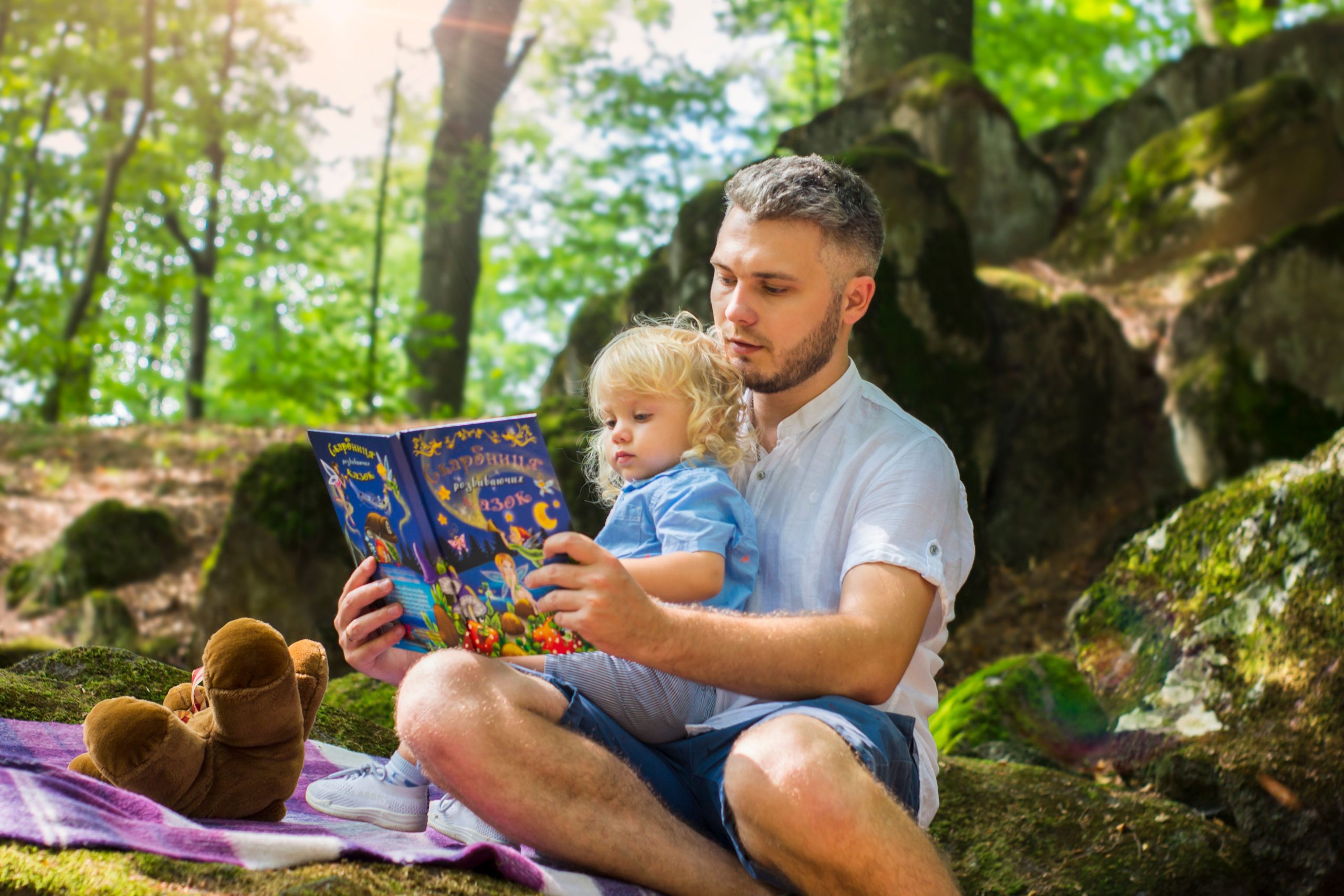
Books have always played an important role in a child’s development, and fantasy literature is among the most powerful genres for inspiring young minds. Filled with magical adventures, imaginative worlds, and memorable characters, fantasy books offer more than entertainment. They help children develop creativity, strengthen reading skills, and gain valuable life lessons. For these reasons, parents can greatly benefit their children by encouraging fantasy reading from an early age.
Fantasy Reading Sparks Imagination
Fantasy books introduce children to worlds that go beyond the limits of everyday life. Magical creatures, enchanted lands, and extraordinary adventures encourage young readers to think creatively and explore new possibilities.
Imagination is an essential skill that supports innovation, problem-solving, and artistic expression. When children engage with fantasy stories, they learn to visualize ideas, create mental images, and think beyond conventional boundaries.
Encouraging a Love for Reading
One of the biggest advantages of fantasy literature is its ability to capture a child’s attention. Exciting storylines and fascinating characters motivate children to continue reading and discover what happens next.
When reading becomes enjoyable, children are more likely to develop lifelong reading habits. A strong reading habit contributes to improved language skills, vocabulary growth, and academic success.
Teaching Valuable Life Lessons
Although fantasy worlds are fictional, the lessons they contain are often deeply meaningful. Many fantasy stories explore themes such as courage, honesty, friendship, perseverance, and kindness.
Children learn these values naturally as they follow characters through challenges and adventures. Melissa Lovelace’s Tom Boppa and the Dragon is one such story where these lessons are woven naturally into an exciting adventure. These lessons often stay with readers long after they finish the book.
Building Problem-Solving Skills
Fantasy protagonists frequently encounter obstacles that require intelligence, creativity, and determination to overcome. By following these journeys, children learn how characters analyze situations and find solutions.
This exposure helps young readers develop critical thinking skills. They begin to understand that problems can often be solved through patience, teamwork, and innovative thinking.
Strengthening Emotional Development
Fantasy stories often involve characters experiencing fear, loss, hope, joy, and personal growth. As children connect with these emotional journeys, they gain a better understanding of their own feelings and those of others.
This process helps develop empathy and emotional intelligence. Children learn to recognize different emotions and appreciate perspectives that may differ from their own.
Encouraging Confidence and Resilience
Many fantasy heroes begin their journeys feeling uncertain or unprepared. Through perseverance and determination, they grow stronger and overcome challenges.
These stories can inspire children to believe in their own abilities. Reading about characters who face difficulties and succeed encourages confidence and resilience in real-life situations.
Expanding Creativity Beyond Books
Fantasy reading often inspires creative activities outside of reading itself. Children may draw characters, invent stories, create imaginary worlds, or engage in imaginative play inspired by their favorite books.
These activities strengthen creativity and encourage self-expression, helping children develop skills that benefit them in many areas of life.
Creating Meaningful Family Discussions
Fantasy books can also provide opportunities for parents and children to discuss important topics. Themes such as bravery, loyalty, fairness, and responsibility naturally lead to meaningful conversations.
Sharing thoughts about stories helps strengthen family connections while encouraging children to think critically about the lessons they encounter in books.
Conclusion
Parents should encourage fantasy reading because it offers far more than simple entertainment. Fantasy books nurture imagination, strengthen literacy skills, support emotional development, and teach valuable life lessons. Through magical adventures and inspiring characters, children learn creativity, resilience, empathy, and problem-solving. For a story that brings all of these benefits together, author Melissa Lovelace’s Tom Boppa and the Dragon is an ideal choice. By making fantasy reading a regular part of childhood, parents can help foster a lifelong love of learning and a richer understanding of the world around them.