
Blogs
Unlocking Creative Minds: How Storytelling Improves Imagination in Children

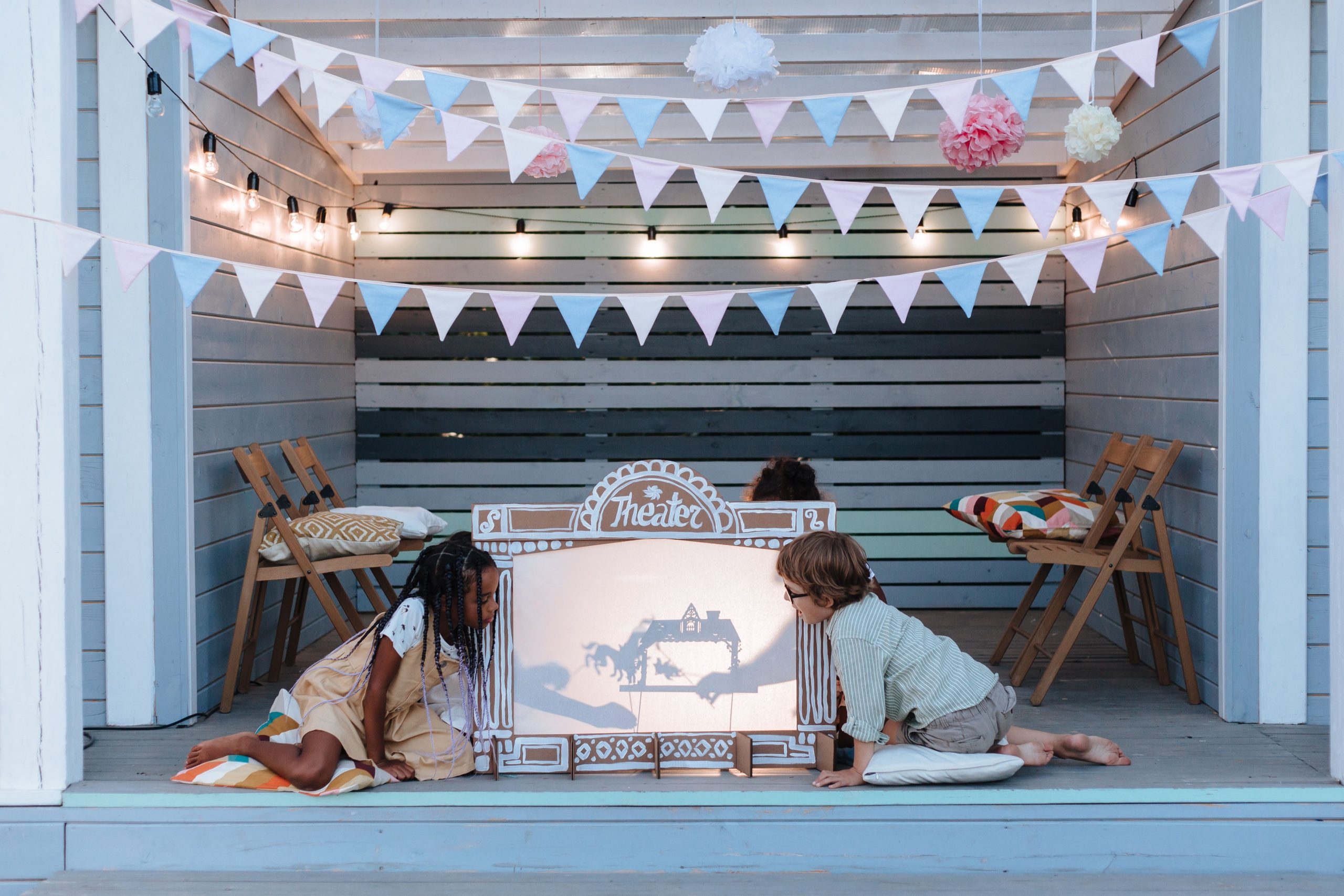
Storytelling has been an important part of childhood for generations. From bedtime tales and folktales to modern children’s books, stories have the power to entertain, educate, and inspire young minds. One of the greatest benefits of storytelling is its ability to strengthen a child’s imagination. Through stories, children are introduced to new worlds, unique characters, and exciting possibilities that encourage creative thinking. As they listen to or read stories, they learn to picture events, solve problems, and explore ideas beyond their everyday experiences.
The Connection Between Stories and Imagination
Imagination allows children to create mental images, invent new ideas, and think beyond what they can immediately see. Storytelling naturally encourages this process because stories require children to visualize scenes, characters, and events using their minds.
Unlike watching visual media where images are already provided, listening to or reading a story encourages active participation. Children become creators in their own minds, building unique interpretations of the story as it unfolds.
Creating New Worlds Through Storytelling
Stories often transport children to magical kingdoms, distant planets, hidden forests, or underwater cities. These imaginative settings encourage young readers and listeners to think beyond the limits of their everyday environment.
As children explore these fictional worlds, they learn to imagine possibilities that may not exist in reality. This creative exploration strengthens their ability to think innovatively and develop original ideas.
Encouraging Creative Problem-Solving
Many stories involve characters facing challenges that require clever solutions. As children follow these adventures, they naturally begin thinking about how they would respond in similar situations.
This process develops creative problem-solving skills. Children learn that there can be multiple ways to approach a challenge, helping them become more flexible and imaginative thinkers in real life.
Expanding Vocabulary and Expression
Storytelling introduces children to new words, phrases, and ways of expressing ideas. As their vocabulary grows, so does their ability to describe thoughts, emotions, and imaginative concepts.
A richer vocabulary provides children with more tools to express their creativity. They become better equipped to invent stories, share ideas, and communicate their imaginative thoughts with others.
Inspiring Pretend Play
One of the most visible effects of storytelling is its influence on pretend play. After hearing a story, children often act out scenes, create their own adventures, or imagine themselves as characters from the narrative.
Pretend play encourages creativity, social development, and independent thinking. Through imaginative play, children continue exploring ideas introduced through storytelling while creating entirely new scenarios of their own.
Supporting Emotional Imagination
Storytelling not only develops creative imagination but also helps children understand emotions and perspectives. By following characters through different experiences, children imagine what others may feel, think, or need.
This emotional imagination contributes to empathy and social awareness. Children become better at understanding both fictional characters and real people around them.
Building Confidence in Creative Thinking
Stories encourage children to ask questions, imagine possibilities, and think creatively without fear of being wrong. In a story, dragons can fly, animals can talk, and ordinary children can become heroes.
This freedom helps build confidence in imaginative thinking. Children learn that creativity is valuable and that new ideas can lead to exciting discoveries and solutions.
Preparing Children for Future Learning
Imagination plays an important role in education and lifelong learning. Creative thinking supports skills such as writing, problem-solving, innovation, and critical analysis.
Children who regularly engage with stories often develop stronger abilities to visualize concepts, generate ideas, and approach challenges from different perspectives. These skills can benefit them throughout their academic and personal lives.
The Lasting Impact of Storytelling
The imaginative abilities developed through storytelling often continue into adulthood. Many creative professionals, inventors, writers, artists, and entrepreneurs trace their love of innovation back to the stories they enjoyed as children.
By nurturing imagination early, storytelling helps lay the foundation for curiosity, creativity, and lifelong learning.
Conclusion
Storytelling improves imagination in children by encouraging them to visualize new worlds, explore creative ideas, and think beyond their immediate surroundings. Through engaging characters, exciting adventures, and meaningful lessons, stories help children develop creativity, emotional understanding, and problem-solving skills. As they imagine possibilities and create their own interpretations of stories, children strengthen abilities that will benefit them throughout their lives. This lasting impact is one of the many reasons storytelling remains such a valuable part of childhood development.