
Blogs
What Makes a Good Children’s Fantasy Book

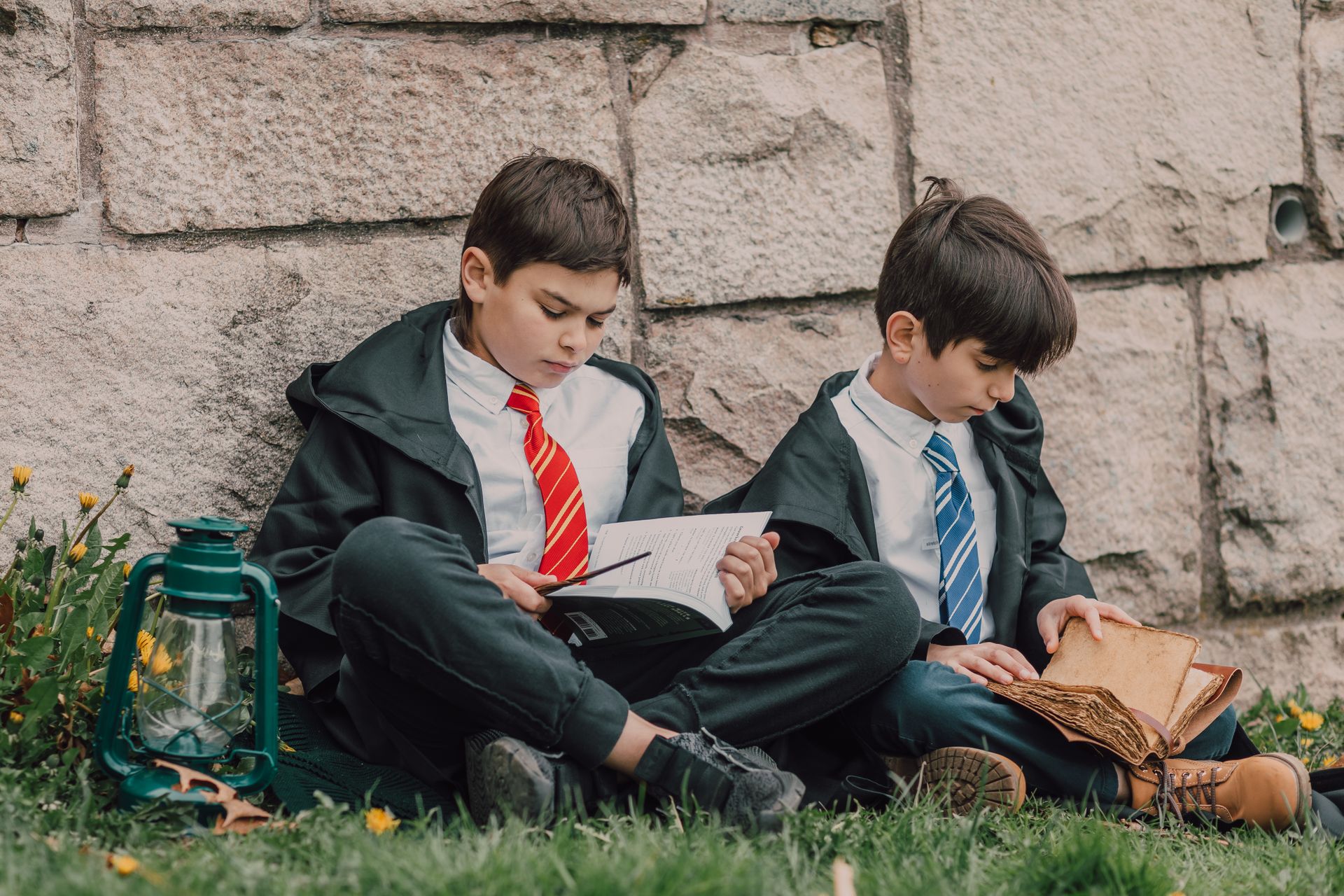
Children’s fantasy can contain almost anything: dragons, magical schools, secret kingdoms, enchanted objects, talking animals, or entirely invented worlds. These imaginative elements allow young readers to explore places beyond their everyday experiences and consider possibilities they might never encounter in real life. However, magical ingredients alone do not make a story effective.
Understanding what makes a good children’s fantasy book requires looking at the quality of its characters, plot, world-building, language, and emotional meaning. A successful fantasy story gives children something exciting to imagine while providing a reason to care about what happens next. It combines wonder with understandable challenges, allowing readers to follow the adventure while connecting with the characters.
The strongest children’s fantasy books also respect their audience. They offer enough mystery to encourage curiosity without making the story unnecessarily confusing. They introduce meaningful challenges without overwhelming young readers and create opportunities for humour, discovery, friendship, and personal growth.
Whether a story takes place in an enchanted forest or a kingdom filled with dragons, its lasting appeal depends on how well all these elements work together.
Characters Children Want to Follow
Magic may attract attention, but characters create emotional investment. A strong young protagonist usually wants something clearly and has room to grow. They may be brave in one situation and uncertain in another. Flaws, mistakes, humour, and vulnerability help readers see the character as someone worth caring about rather than a perfect hero.
Children often enjoy protagonists who face challenges they can understand, even when those challenges occur in extraordinary settings. A young wizard might struggle to make friends, a dragon might fear disappointing its family, or an adventurous child might have difficulty trusting others. These concerns make fictional characters feel relatable.
Give the Main Character a Clear Motivation
A memorable protagonist needs a reason to act. Perhaps the character wants to rescue a friend, discover a family secret, protect a magical home, or prove that they can handle a difficult responsibility.
A clear motivation helps readers understand why the adventure matters. It also gives the story direction. When children know what the character hopes to achieve, they can follow the decisions, obstacles, and discoveries that move the plot forward.
Let Characters Make Mistakes and Grow
Characters become more interesting when they are not good at everything. A hero might act too quickly, misunderstand a friend, or refuse help because of pride. These mistakes can create believable conflict and give the character opportunities to learn.
Growth should develop naturally through the story. Instead of becoming courageous after a single conversation, a frightened character might gradually learn to act despite uncertainty. This development can make the ending more satisfying because readers have witnessed the effort behind the change.
A Magical World With Clear Logic
Fantasy worlds can be strange, but they should still feel consistent. If magic has rules, the story should respect them. If a creature behaves in a particular way, readers need enough context to understand why. Internal logic helps children feel secure inside an unfamiliar setting and makes major story events feel earned instead of random.
A fantasy setting might include floating islands, secret passageways, talking animals, enchanted forests, or schools where students learn unusual abilities. These details can make a book memorable, but they should support the story rather than distract from it.
Establish Rules for Magic
Magic becomes more interesting when readers understand its possibilities and limitations. Perhaps a spell works only under certain conditions, an enchanted object has a limited ability, or a magical creature can help only when a character solves a puzzle.
Rules create opportunities for suspense and creative problem-solving. If magic can solve every difficulty without effort, challenges may lose their importance. Limits encourage characters to think carefully, cooperate, and make meaningful choices.
Writers do not need to explain every magical detail immediately. They should, however, provide enough information for children to understand important events and recognise when a character uses the world’s rules in a clever way.
Use Setting to Support the Adventure
The setting should influence what characters experience. A mysterious forest might conceal clues, a mountain kingdom might make travel difficult, and a magical library might contain knowledge that changes the direction of the story.
These details make the world feel connected to the plot. They also give children opportunities to imagine unfamiliar environments and picture how characters move through them.
A few vivid details are often more effective than long descriptions of every building, creature, or landscape. The goal is to help readers picture the setting while keeping the adventure moving.
A Clear Goal and Meaningful Stakes
Young readers benefit from understanding what the hero is trying to do. The goal may be finding a missing object, protecting a friend, solving a mystery, or returning home. Clear stakes create momentum and help children follow the plot even when the setting is complex.
A good fantasy story gives its protagonist a problem that matters. The problem does not always need to involve saving an entire kingdom. For younger readers, helping a lost creature or repairing a friendship can provide enough emotional importance to carry a story.
Build Challenges That Increase Naturally
An engaging plot introduces obstacles that require the protagonist to make decisions. One problem might reveal a clue, while another forces the character to reconsider an earlier assumption. Each event should contribute to the adventure or deepen the reader’s understanding of the characters.
Challenges should also suit the intended age group. A younger audience may appreciate a straightforward quest with a small number of important characters. Older children may enjoy mysteries with several clues, competing motivations, and unexpected developments.
Make the Ending Feel Earned
Readers should be able to see how the character’s choices contribute to the outcome. A problem that suddenly disappears without explanation can make the adventure feel incomplete.
A satisfying ending does not have to be perfectly happy. It should resolve the main conflict in a way that makes sense within the story. The protagonist might achieve the goal, discover something unexpected, or learn that the original goal needs to change.
When the ending grows from earlier events, children can look back and understand how the adventure developed.
Themes That Grow Naturally From the Adventure
The best children’s fantasy often explores real ideas such as friendship, courage, fairness, identity, responsibility, or kindness. These themes are most effective when they emerge from choices and consequences rather than long explanations. Children can understand a lesson more deeply when they see a character live through it.
A story about a dragon who feels different from everyone else might explore acceptance. An adventure involving two rivals could show how cooperation becomes possible when each character listens to the other. A magical quest might demonstrate that responsibility sometimes means making a difficult choice.
Show Values Through Actions
Readers do not need a character to explain the meaning of every event. Actions can communicate important ideas more naturally.
For example, a character who shares a valuable resource may demonstrate generosity. Someone who admits a mistake may show honesty. Two characters who resolve a disagreement may illustrate the importance of listening and compromise.
These moments feel meaningful because the reader sees the consequences. The story allows children to think about the choices themselves rather than simply being told what to believe.
Leave Room for Children to Think
A good fantasy book can raise questions without providing a simple answer to every situation. Characters might disagree about what is fair, struggle to balance loyalty with honesty, or discover that a decision has both positive and negative consequences.
Such situations invite children to consider different perspectives. The goal is not to turn a story into a lecture but to give young readers interesting ideas to explore.
Age-Appropriate Language and Pacing
Language is another important part of what makes a good children’s fantasy book. The writing should suit the intended readers while still introducing interesting vocabulary and expressive descriptions.
Younger children often benefit from clear sentences, familiar emotional situations, and a manageable number of characters. Older children may enjoy more detailed world-building, longer adventures, and complex relationships. These are general guidelines rather than strict rules, because children’s reading abilities and interests vary.
Balance Description With Action
Fantasy authors need to create a sense of wonder, but lengthy descriptions can interrupt the adventure if they appear too frequently. Descriptions work best when they help readers understand a setting, recognise a threat, or notice something important.
Action, dialogue, and description can work together to keep the story engaging. A short conversation might reveal a character’s personality, while a brief description of a mysterious doorway can create curiosity about what lies beyond it.
Introduce New Words Through Context
Fantasy stories often contain invented names, magical objects, and unfamiliar creatures. These details can expand a child’s vocabulary and imagination, provided the surrounding context helps the reader understand what is happening.
Writers should avoid introducing so many unfamiliar terms at once that children struggle to follow the plot. A few distinctive words, introduced naturally and reinforced through events, can make a fictional world feel unique without becoming confusing.
Friendship and Relationships That Feel Real
Friendship is a common theme in children’s fantasy because adventures often require characters to depend on one another. A protagonist might need a loyal companion, an unlikely ally, or a group of friends with different strengths.
Strong relationships are more convincing when characters do not always agree. Friends may misunderstand each other, compete for attention, or make decisions that hurt someone unintentionally. How they respond to these problems can make the relationship feel more realistic.
Let Different Characters Contribute
A useful group of characters does not need everyone to have the same abilities. One friend might be observant, another creative, and another particularly good at staying calm under pressure.
These differences allow the group to solve problems together. They also show that valuable contributions can come from many kinds of strengths, not only physical bravery or magical power.
Make Reconciliation Meaningful
When characters disagree, resolving the conflict should involve more than instantly forgetting what happened. An apology, a change in behaviour, or an honest conversation can help demonstrate how trust is rebuilt.
Stories can show children that relationships require attention and effort. They can also show that friendship does not mean agreeing with everything another person says.
For further reading on this theme, you could link the phrase “friendship” to Fantasy Books With Friendship and Adventure.
Humour, Surprise, and a Sense of Wonder
A fantasy story does not need to be serious all the time. Humour can make characters more memorable, provide relief during tense scenes, and help young readers enjoy the adventure.
A dragon who is afraid of tiny insects, a wizard who repeatedly misplaces important objects, or a talking animal with an unusual sense of humour can make a fictional world feel lively. These moments work especially well when they reflect a character’s personality rather than appearing randomly.
Surprise is equally important. An unexpected discovery, a hidden ability, or a clue that changes the reader’s understanding can renew interest in the story.
However, surprises should make sense when readers look back at the earlier events. A twist is more satisfying when the author has provided subtle clues rather than introducing a completely unrelated explanation at the last moment.
Wonder also comes from small discoveries. A secret door, a mysterious map, or a creature with an unusual ability can encourage readers to keep imagining what might happen next.
Emotional Depth Without Overwhelming Young Readers
Children’s fantasy can include fear, disappointment, loneliness, jealousy, and uncertainty. These emotions give characters depth and help readers connect fictional adventures with familiar experiences.
The challenge is to handle difficult subjects in a way that suits the intended audience. A frightening scene can create suspense, but constant danger may make a book uncomfortable for some readers. Humour, friendship, reassuring moments, and a sense of progress can help balance more intense events.
Use Fear to Build Suspense
A mysterious sound in a forest or an unexplained event in an old castle can create excitement without relying on excessive frightening details. The reader wonders what will happen and whether the characters can understand the situation.
The intensity of these scenes should match the book’s intended age group. Younger children may prefer gentle mysteries, while older readers may enjoy more complicated threats and uncertainty.
Give Characters Ways to Respond
Characters can cope with uncertainty by asking for help, gathering information, working together, or facing a challenge one step at a time. These responses make the plot more believable and show that bravery does not require a complete absence of fear.
Writers should allow characters to recover and reflect after difficult events. Emotional moments often become more meaningful when the story gives readers time to understand how an experience affected the people involved.
Illustrations and Visual Appeal
Illustrations can play an important role in children’s fantasy, particularly in picture books and books for developing readers. A well-designed image can help children understand an unfamiliar creature, picture a magical setting, or recognise an important moment in the plot.
Visual details can also add humour and encourage children to notice things they might overlook in the text. An illustration might reveal a hidden object, show a character’s expression, or provide additional clues about the fictional world.
Illustrations should complement the writing rather than simply repeat every sentence. They can contribute atmosphere, explain an action, or communicate an emotion that the text leaves open to interpretation.
Not every fantasy book needs pictures. Older children may enjoy creating their own mental images from written descriptions. The best choice depends on the intended audience, the story’s style, and how text and visuals work together.
How Parents Can Choose a Good Children’s Fantasy Book
Parents can begin by considering the child’s interests, reading experience, and comfort level. Some children are fascinated by dragons and mythical creatures, while others prefer magical schools, talking animals, mysterious adventures, or stories centred on friendship.
A book’s description and sample pages can help parents judge whether the language, pacing, and subject matter are appropriate. It can also be useful to look for a clear storyline, characters with understandable motivations, and themes that give children something to think about.
Look Beyond the Magical Premise
A book may have an appealing title or an imaginative cover, but the quality of the storytelling matters most. Consider whether the main character has a meaningful goal, whether the world follows understandable rules, and whether the events connect logically.
Reviews and recommendations can help identify books children might enjoy, but individual preferences still matter. A book that delights one reader may not interest another, and that is perfectly normal.
Encourage Children to Share Their Opinions
After reading, parents can ask what the child enjoyed, which character they found most interesting, or whether they would change anything about the ending. These conversations help children express preferences and think critically about stories.
Children should also have freedom to choose books for enjoyment. Reading becomes more rewarding when it includes discovery and personal interest rather than only adult-selected lessons.
For related guidance, link “fantasy reading” to Why Parents Should Encourage Fantasy Reading.
What Makes a Good Children’s Fantasy Book Stand Out?
A memorable children’s fantasy book combines imaginative ideas with strong storytelling. It gives readers characters worth caring about, a world that follows its own rules, a goal that creates momentum, and challenges that lead to meaningful choices.
It also respects children’s ability to think and feel. Rather than explaining every lesson, it allows readers to observe consequences, understand different perspectives, and decide what matters to them. Clear language, suitable pacing, humour, and emotional depth help make the adventure accessible and engaging.
No single formula guarantees that every child will love a particular book. Some readers look for dragons and action, while others prefer quiet discoveries, unusual friendships, or mysteries that unfold slowly. The most effective fantasy stories understand their intended audience while offering something fresh to imagine.
Ultimately, what makes a good children’s fantasy book is the balance between wonder and purpose. Magic invites children into the story, but memorable characters, thoughtful conflicts, and satisfying storytelling give them a reason to stay. When these elements work together, a fantasy book can offer both an enjoyable adventure and ideas that remain with readers after the final page.