
Blogs
Sparking Young Imaginations: How Fantasy Stories Help Children Become More Creative

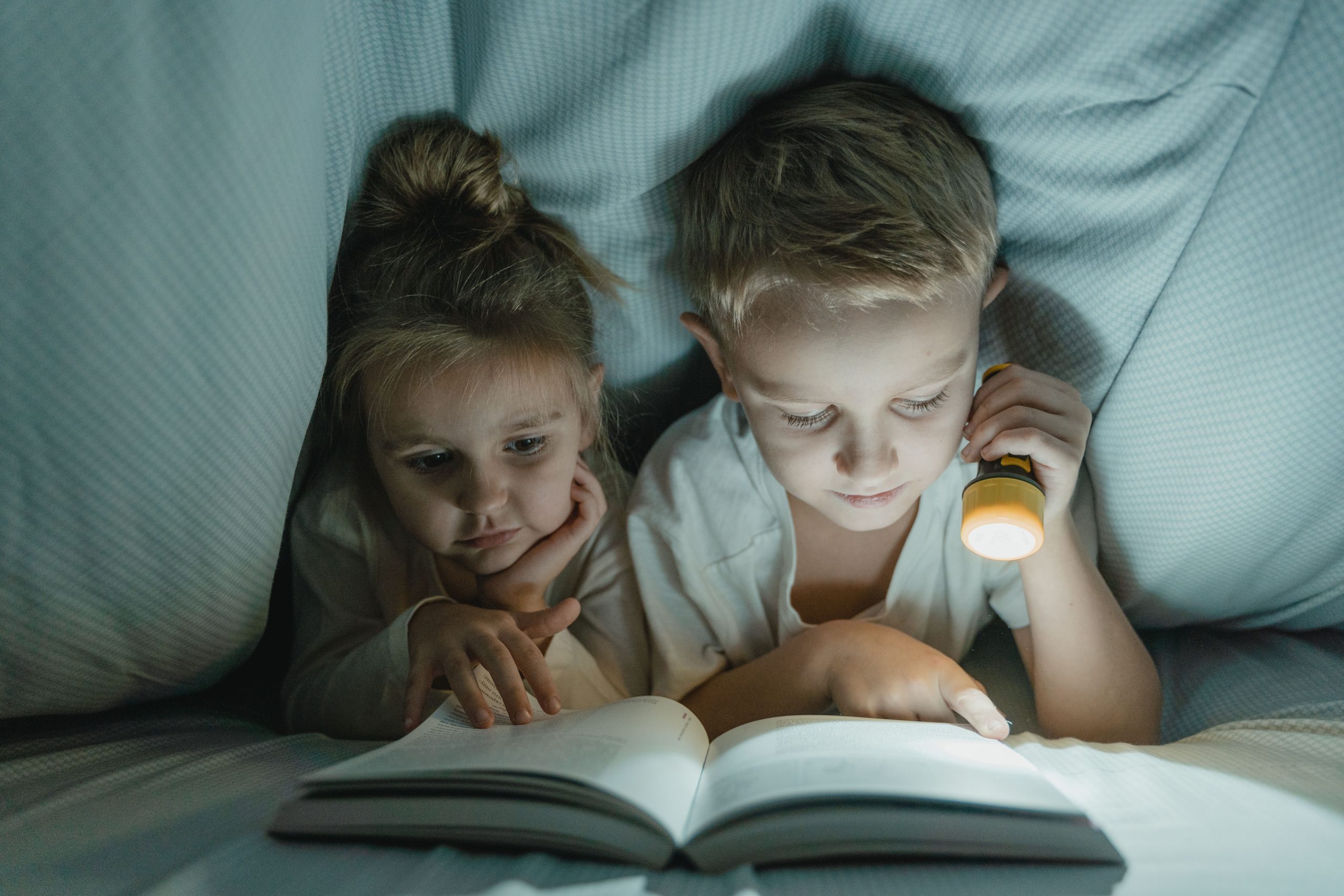
Fantasy stories have a unique ability to transport children into worlds filled with magic, adventure, and endless possibilities. From talking animals and flying dragons to enchanted forests and hidden kingdoms, these stories encourage young readers to think beyond the ordinary. While fantasy stories are highly entertaining, they also play an important role in developing creativity. By exposing children to imaginative ideas and unfamiliar situations, fantasy literature helps strengthen creative thinking skills that can benefit them throughout their lives.
Encouraging Children to Imagine New Possibilities
Creativity begins with imagination, and fantasy stories provide endless opportunities for children to imagine things that do not exist in their everyday world. As they read about magical creatures, extraordinary powers, and fascinating adventures, they learn to visualize new possibilities.
This process strengthens the mind’s ability to create original ideas. Instead of simply accepting the world as it is, children begin to explore what could be possible, which is an important foundation for creative thinking.
Expanding the Boundaries of Thinking
Fantasy stories often challenge traditional rules and expectations. In these worlds, animals may speak, ordinary children may become heroes, and impossible events can become reality.
Exposure to such imaginative concepts encourages children to think beyond limitations. They learn that there are often multiple ways to view a situation and many possible solutions to a problem. This flexible thinking is a key aspect of creativity.
Inspiring Creative Problem-Solving
Adventure and conflict are central elements of many fantasy stories. Characters frequently encounter difficult situations that require clever solutions and innovative thinking.
As children follow these journeys, they observe how characters adapt to challenges and overcome obstacles. This encourages them to approach their own problems with creativity and confidence rather than relying solely on familiar solutions.
Encouraging Story Creation
Children who enjoy fantasy stories often become inspired to create their own narratives. They may invent magical worlds, develop unique characters, or imagine exciting adventures of their own.
Creating stories helps children practice creative thinking while improving communication and organizational skills. Fantasy literature provides a rich source of inspiration that encourages young minds to become storytellers themselves.
Supporting Imaginative Play
Fantasy stories frequently influence children’s play activities. After reading about magical adventures, many children enjoy pretending to be heroes, explorers, wizards, or mythical creatures.
Imaginative play allows children to experiment with ideas, emotions, and social situations in a creative environment. This type of play supports cognitive development and helps strengthen creative abilities.
Developing Artistic Expression
The vivid settings and memorable characters found in fantasy stories often inspire children to express themselves through art, writing, and other creative activities.
Children may draw magical creatures, create maps of imaginary kingdoms, or write new adventures featuring their favorite characters. These activities encourage self-expression while reinforcing creative thinking skills.
Building Confidence in Original Ideas
Fantasy stories teach children that unusual ideas can be exciting and valuable. In magical worlds, creativity is often celebrated rather than restricted.
This message helps children feel more confident about sharing their own ideas. They learn that thinking differently can lead to exciting discoveries and meaningful contributions, both in stories and in real life.
Encouraging Curiosity and Exploration
Fantasy literature naturally sparks curiosity. Children become interested in learning more about the worlds, characters, and possibilities presented in the story.
Curiosity is closely connected to creativity because it motivates children to ask questions, seek new information, and explore unfamiliar concepts. These habits encourage lifelong learning and innovative thinking.
Preparing Children for Future Success
Creativity is an important skill in many aspects of life, including education, problem-solving, communication, and future careers. Fantasy stories help children develop the ability to think imaginatively and approach situations from different perspectives.
The creative habits formed through reading fantasy can benefit children long after they finish the story. These skills help them adapt to challenges, generate ideas, and express themselves effectively.
Conclusion
Fantasy stories help children become more creative by encouraging imagination, curiosity, and innovative thinking. Through magical worlds, exciting adventures, and unique characters, young readers learn to explore possibilities beyond everyday reality. These stories inspire creative problem-solving, artistic expression, imaginative play, and original storytelling. By nurturing creativity from an early age, fantasy literature helps children develop valuable skills that support personal growth, learning, and future success. The magic found in fantasy stories often extends far beyond the pages of a book, shaping how children think, dream, and create.