
Blogs
Beyond Imagination: How Fantasy Books Benefit Children

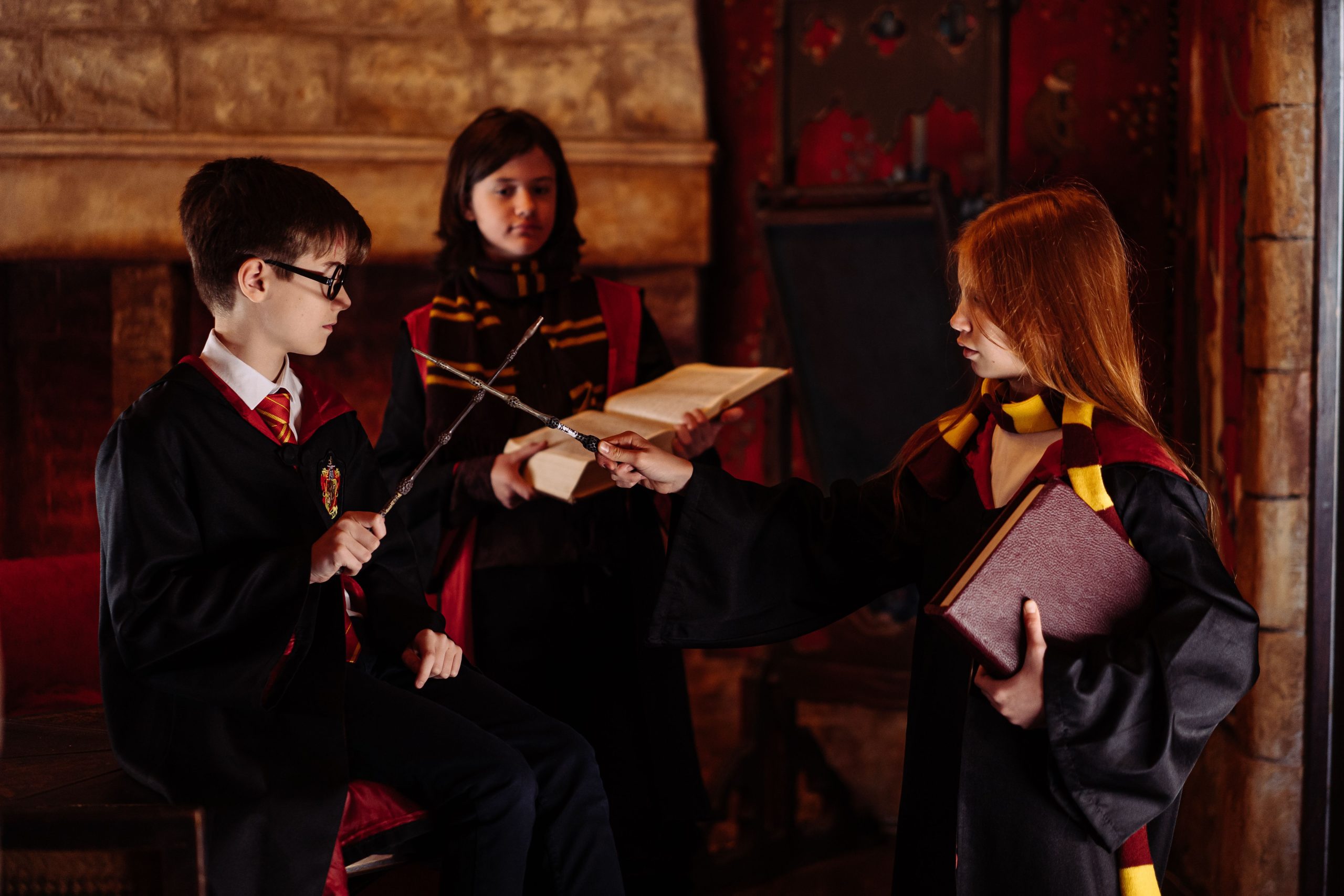
Fantasy books have captivated young readers for generations with magical worlds, extraordinary adventures, and unforgettable characters. While these stories provide entertainment, they also offer important developmental benefits. Through imaginative storytelling, fantasy books help children expand their creativity, strengthen emotional understanding, and develop valuable life skills.
Melissa Lovelace’s Tom Boppa and the Dragon is a meaningful example of how fantasy can support a child’s imagination and emotional growth at the same time. The story follows Tom Boppa, a young boy who sets out to protect his sheep, Ernestine, and save his village from a dragon. Along the way, he meets a Queen, a wizard named Zandaron, and a dragon whose frightening behavior hides a deeper loneliness. Through this magical adventure, the book shows children how courage, empathy, and thoughtful choices can change the outcome of a difficult situation.
Encouraging Creativity and Imagination
One of the greatest benefits of fantasy books is their ability to spark imagination. These stories introduce children to magical kingdoms, mythical creatures, enchanted objects, and incredible adventures that go beyond everyday experiences.
Tom Boppa and the Dragon invites children into the kingdom of Esse-by-the-Sea, a place where animals and people live closely together, birds carry messages, a wizard performs magic, and a dragon changes the fate of an entire village. These imaginative details help young readers visualize a world that feels different from their own while still being emotionally understandable.
As children imagine Tom crossing plains, reaching the Queen’s castle, and standing near the dragon’s den, they practice creative thinking. This kind of imagination can support storytelling, play, artistic expression, and flexible thinking in everyday life.
Developing Strong Reading Habits
Fantasy books are often filled with exciting plots and memorable characters that keep children engaged. The sense of adventure encourages young readers to continue turning pages and discover what happens next.
A story like Tom Boppa and the Dragon gives children several reasons to stay interested. They want to know whether Tom will reach the Queen, whether Ernestine will be safe, whether Zandaron can defeat the dragon, and whether the village will be saved. Each stage of the journey gives readers a clear reason to continue.
When children enjoy reading, they are more likely to develop lifelong reading habits. Regular reading improves vocabulary, comprehension, communication skills, and overall academic performance. Fantasy can be especially helpful because it makes reading feel exciting instead of forced.
Teaching Problem-Solving Skills
Fantasy stories frequently place characters in challenging situations that require courage, intelligence, and creativity to overcome. Young readers follow these journeys and observe how characters solve problems and make important decisions.
Tom’s village faces a serious problem when the dragon begins threatening the land. At first, the adults are afraid and avoid responsibility. Tom, although young and frightened, volunteers to seek help from the Queen. His decision shows children that problem-solving often begins with taking action, even when the solution is not yet clear.
The story also shows that the first answer is not always the best answer. Zandaron thinks magic may solve the problem, but he cannot defeat the dragon without understanding how the dragon thinks. Tom eventually discovers the deeper truth: the dragon is lonely. This teaches children that solving a problem often requires patience, observation, and emotional understanding.
Building Emotional Intelligence
Fantasy books often explore emotions such as fear, friendship, hope, sadness, and bravery. As children connect with characters and their experiences, they develop a better understanding of feelings and relationships.
Tom Boppa and the Dragon gives children a clear emotional journey. The villagers feel fear when the dragon appears. Tom feels worry for Ernestine. The Queen responds with calm concern. Zandaron feels proud, frustrated, and uncertain. The dragon, despite appearing fierce, is deeply lonely.
This emotional range helps children recognize that people and characters may act from feelings they do not openly express. The dragon frightens others, but his behavior comes from isolation. Tom’s ability to understand this hidden feeling becomes the turning point of the story.
Through this kind of reading experience, children learn empathy. They begin to understand that fear, anger, sadness, and loneliness can shape behavior. They also learn that listening and understanding can sometimes create better outcomes than judgment or punishment.
Inspiring Courage and Resilience
Many fantasy stories center around heroes who face obstacles, fears, and setbacks before achieving success. These narratives teach children that courage is not the absence of fear but the willingness to continue despite challenges.
Tom is not a fearless hero. He is small, uncertain, and worried. He travels through difficult conditions, gets tired, misses Ernestine, and questions whether he can help. Even so, he keeps going because he cares about his village and his sheep.
This makes his courage relatable for young readers. Children can see that bravery does not require being the strongest person in the story. Bravery can mean speaking up when others stay silent, asking for help, continuing after setbacks, and choosing kindness when it is difficult.
Tom’s resilience also gives children a positive model for facing their own challenges. Whether they are dealing with school struggles, friendship problems, or personal fears, stories like this remind them that persistence matters.
Exploring Important Values
Fantasy literature often includes lessons about honesty, kindness, loyalty, responsibility, and friendship. These values are woven naturally into the story through character actions and choices.
In Tom Boppa and the Dragon, Tom’s loyalty to Ernestine pushes him to act. His concern for his village gives him a sense of responsibility. His kindness helps him see the dragon differently. The Queen’s wisdom shows the value of calm thinking. The story’s central idea of thinking as another would think encourages children to consider other perspectives before reacting.
These values are not presented as a lecture. They are part of the adventure. Children absorb the message through Tom’s choices and the story’s outcome. This makes the lesson more memorable because it is connected to action, emotion, and imagination.
Expanding Cultural and Moral Understanding
Fantasy worlds may be fictional, but they often reflect real-life social and moral themes. Stories can explore fairness, justice, cooperation, and respect for differences through imaginative settings and characters.
The two kingdoms in Tom Boppa and the Dragon create a simple but meaningful contrast. Esse-by-the-Sea is peaceful because its people try to understand one another. Felle, the dragon’s original kingdom, is troubled by blame, fighting, and disagreement. This contrast helps children think about how communities are affected by the way people treat one another.
The book also introduces an important moral question. Should the dragon be punished, destroyed, or understood? Tom’s final choice shows that justice and compassion can work together. The dragon cannot continue harming others, but he also does not need to be cruelly destroyed. This gives children a thoughtful lesson about conflict, mercy, and responsibility.
Providing Healthy Escapism
Fantasy books allow children to step away from everyday stress and enter exciting worlds filled with wonder and possibility. This form of escapism can be both enjoyable and beneficial for mental well-being.
A magical story like Tom Boppa and the Dragon gives children a safe space to explore big emotions. Fear appears through the dragon. Comfort appears through Ernestine. Wisdom appears through the Queen. Humor and surprise appear through Zandaron. Hope appears in the ending, when the land heals and dragonflies fill the village.
This balance makes fantasy emotionally useful. Children can experience suspense and danger within a story that ultimately reassures them. They can imagine fear, bravery, and relief without being overwhelmed by real-world pressure.
Helping Children Understand Empathy
One of the strongest benefits of fantasy books for children is their ability to teach empathy in a way young readers can understand. Fantasy often uses magical creatures and unusual situations to explain very real emotions.
In Tom Boppa and the Dragon, the dragon first appears as a danger. He brings fear to the village and seems impossible to reason with. Yet Tom eventually understands that the dragon is lonely. This changes the entire story. The dragon becomes more than a monster. He becomes a creature with feelings.
For children, this lesson is powerful. It teaches them to look beyond someone’s behavior and consider what feelings may be hidden underneath. This does not mean harmful actions should be ignored. It means understanding can lead to wiser and kinder solutions.
Conclusion
The benefits of fantasy books for children extend far beyond entertainment. These stories encourage imagination, strengthen reading skills, promote emotional growth, and teach valuable life lessons. Through magical adventures and memorable characters, fantasy literature helps children develop creativity, resilience, empathy, and confidence.
Melissa Lovelace is the author of Tom Boppa and the Dragon that shows these benefits clearly. Tom’s journey gives children adventure, wonder, humor, and suspense, but it also gives them a lasting lesson about compassion. By helping readers understand fear, loneliness, courage, and kindness, the book proves that fantasy can be both magical and meaningful. For young readers, stories like this do more than open the door to imaginary worlds. They help children better understand themselves and others.